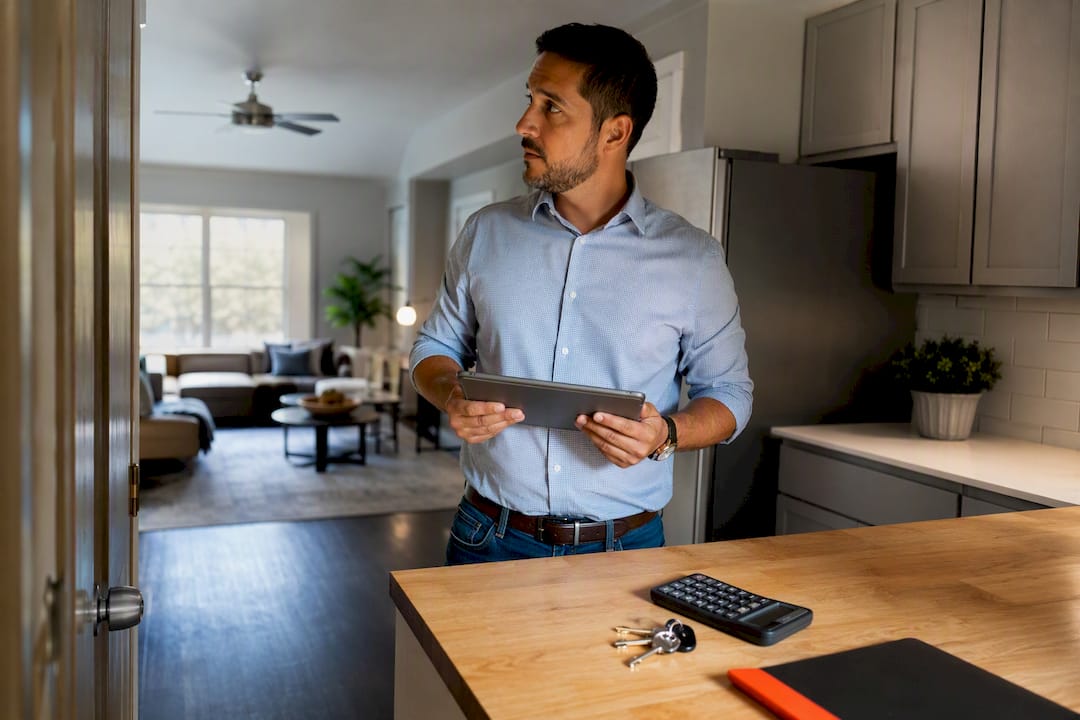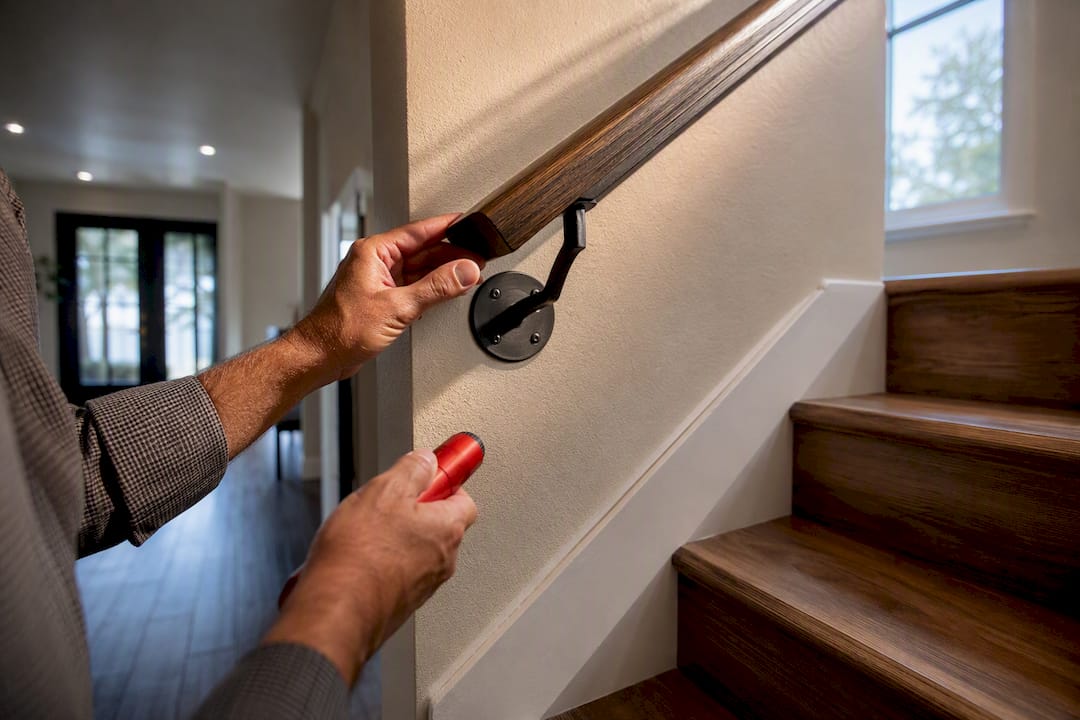
Most lenders require a formal valuation before approving a home equity loan or HELOC, though the method varies by risk and loan amount. A full interior appraisal is standard for larger home equity loans, while HELOCs often rely on faster, cheaper options like desktop reviews or automated valuation models. Whichever method your lender chooses, the goal is the same: establish a defensible market value so the lender can calculate your loan to value and combined loan to value before extending credit.
TL;DR:
- An interior appraisal is usually required for large home equity loans, while HELOCs often utilize cheaper, faster methods like AVMs or drive-by evaluations.
- Appraisals rely on documented property details, recent comparable sales, and physical measurements, which can be cross-checked for accuracy before submission.
- Turnaround times range from hours for automated models to three weeks for full interior appraisals, with costs increasing accordingly.
- Disputing a low valuation is best done through factual corrections and formal reconsideration of value requests, not by suggesting target prices.
- Using a mortgage broker can streamline appraisal logistics by coordinating the process, selecting the best valuation method, and ensuring proper documentation.
Table of Contents
- Understanding the Home Equity Appraisal Process
- Which Valuation Method Will Your Lender Use?
- What Appraisers Actually Inspect and Document
- How Long the Appraisal Takes and What It Costs
- Turning Your Appraised Value Into Borrowing Power
- Preparing for the Appraiser’s Visit
- What to Do If Your Appraisal Comes in Low
- Where a Mortgage Broker Fits Into the Appraisal Process
- What Homeowners Get Wrong About Appraisals
- Get Help Managing Your HELOC or Home Equity Appraisal
- Sources
- FAQ
Understanding the Home Equity Appraisal Process
A home equity appraisal is a professional opinion of your property’s market value, used specifically to determine how much equity you can borrow against. It differs sharply from a home inspection. An inspector checks whether your roof leaks or your wiring meets code; an appraiser cares about value, not livability, though visible defects do factor into the number they land on.
The math lenders run is simple in concept: your equity equals your home’s appraised value minus whatever you still owe on it. If your lender miscalculates that value, either too high or too low, the risk shifts. Too high, and the lender is overexposed if you default. Too low, and you lose access to equity you’ve actually earned. That’s why lenders lean on combined loan to value, or CLTV, which factors in every lien against the property, not just your current mortgage.
This isn’t left to informal judgment. Appraiser independence is protected under Dodd-Frank, and interagency guidelines from the Federal Reserve spell out how regulated lenders must manage appraisals, automated valuation models, and quality control. The rules exist because appraisals used to be more easily influenced by loan officers or borrowers eager to hit a target number. Today, appraisers work independently of the sales side of any transaction.
What this structure protects for you as a homeowner:
- An unbiased estimate of your home’s value, free from pressure to inflate or deflate numbers
- A documented paper trail if you need to dispute a low valuation later
- Consistency across lenders, since most follow the same interagency standards
- A clear separation between the person selling you the loan and the person valuing your collateral
Which Valuation Method Will Your Lender Use?
Lenders choose from four main approaches, and the choice usually comes down to loan size, your CLTV, and how much risk the lender is willing to carry.
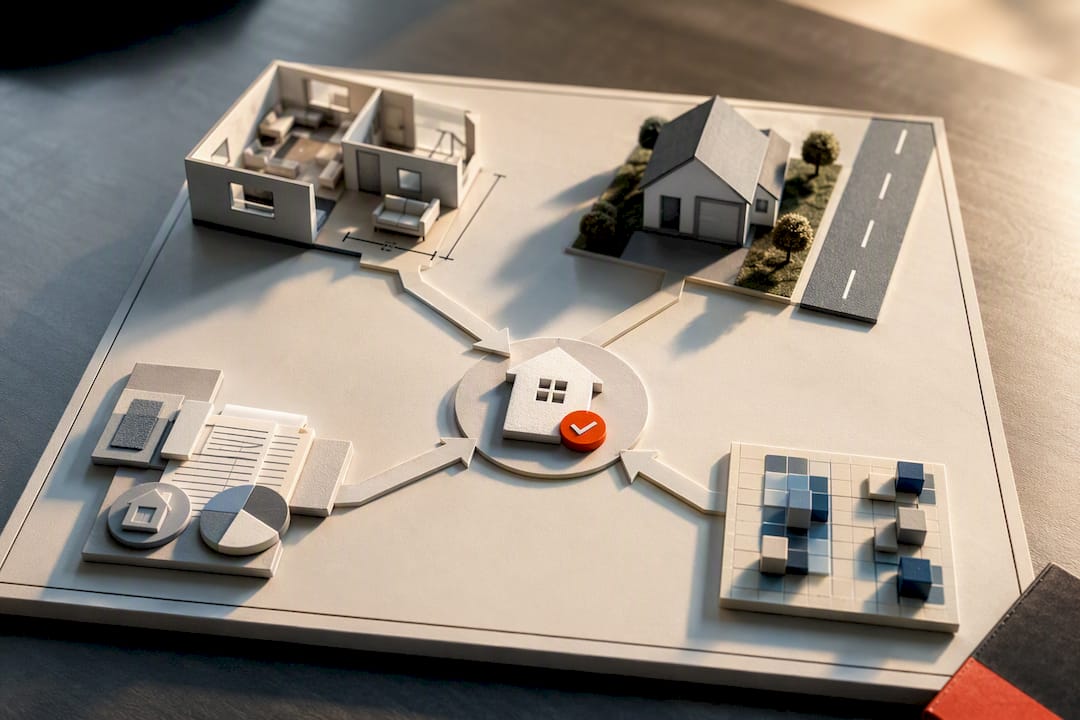
A full interior appraisal sends a licensed appraiser to walk through your entire home. Expect them onsite for 30 minutes to two hours, photographing rooms, measuring square footage, and noting condition and upgrades. This is the standard for most home equity loans and larger HELOCs, especially when CLTV creeps close to a lender’s cap.
An exterior or drive-by appraisal skips the interior walkthrough entirely. The appraiser assesses curb appeal, roof condition, and lot size from outside, then relies on public records and prior data for interior details. It’s faster and cheaper, but it can miss finished basements or kitchen remodels that would otherwise boost your value.
A desktop appraisal or AVM (automated valuation model) uses public records, tax data, and recent comparable sales, with no human ever visiting the property. Lenders lean on these for HELOC screening because they’re fast and inexpensive. The tradeoff is real: automated valuations are common for HELOC screening since they’re fast and low-cost, but they risk missing recent permitted improvements or unique features a human appraiser would catch.
A hybrid appraisal splits the labor. A trained field agent (not always a licensed appraiser) visits the property to gather data, while a separate appraiser analyzes and signs off on the final value remotely.
| Method | Typical time on-site | Best fit | Main limitation |
|---|---|---|---|
| Full interior appraisal | 30 min. to 2 hours | Home equity loans, high CLTV | Slowest, most expensive |
| Exterior/drive-by | Brief exterior walk | Lower-risk refinances | Misses interior upgrades |
| Desktop/AVM | None | HELOC pre-screening | Can undervalue unique homes |
| Hybrid | Short field visit | Balancing speed and accuracy | Field agent isn’t always licensed |
Pro Tip: If your lender orders an AVM and the estimate feels low, ask whether you can request a full appraisal instead. Many lenders will escalate once CLTV crosses a set threshold, and it’s often worth the wait.
What Appraisers Actually Inspect and Document
Appraisers build their opinion of value from measurable, documented details, not gut instinct. Understanding what they record helps you spot errors before they cost you equity.
They measure and photograph gross living area (GLA), room counts, lot dimensions, and the condition of major systems like roofing, HVAC, and foundation. Every permitted addition, finished attic, or converted garage gets noted, along with anything that looks unpermitted, since that can affect how much value the appraiser is willing to assign.
Comparable sales, or “comps,” drive the bulk of the final number. Appraisers typically pull three to five recent sales of similar homes nearby, adjusting for differences in size, condition, and features. If your neighborhood has few recent sales, expect the appraiser to widen the search radius or use older comps, which can work against you if prices have risen sharply.
Once the report lands, check it for these common errors:
- Incorrect square footage or bedroom/bathroom count
- Missing permitted improvements, like a finished basement or new roof
- Comparable sales that are outdated, too far away, or genuinely dissimilar
- Wrong lot size, zoning classification, or year built
- Condition ratings that don’t match photos in the report
A 30 minute to two hour appraisal visit generates a document that can shape your borrowing power for years. Reading it line by line is worth the twenty minutes it takes.
How Long the Appraisal Takes and What It Costs
Turnaround time depends entirely on which valuation method your lender orders, and that timing matters if you’re racing a rate lock.
Desktop appraisals and AVMs return results in a matter of days, sometimes hours, since no human visit is required. Drive-by appraisals typically add a few more days for scheduling and the exterior visit itself. Full interior appraisals take the longest: expect the complete process from order to report to run one to three weeks, depending on appraiser availability in your area.
Costs scale the same way. Desktop and AVM options tend to run cheapest, drive-by appraisals sit in the middle, and full interior appraisals cost the most because they require an in-person visit and a fuller written report. Borrowers usually pay the appraisal fee upfront or roll it into closing costs, though the exact arrangement depends on your lender and loan program.
A few things commonly stretch out the timeline or add to the bill:
- Rural properties or unique homes (like condominiums) with fewer comparable sales nearby
- Rush orders, which most appraisal management companies will accommodate for an added fee
- Re-inspections triggered by a reconsideration of value request
- High demand periods, like spring and summer, when appraisers book out further in advance
If your closing date is tight, ask your loan officer early which valuation method your lender plans to use. That single question can save you a week of waiting.
Turning Your Appraised Value Into Borrowing Power
Your appraisal doesn’t hand you a loan amount directly. It feeds into two ratios that determine your ceiling: loan to value (LTV) and combined loan to value (CLTV).
LTV measures your current mortgage balance against your home’s appraised value. CLTV goes further, adding every lien against the property, including a new HELOC or home equity loan, then dividing that total by the appraised value. Lenders typically cap CLTV somewhere between 80% and 90%, depending on the loan program and your credit profile.
Here’s how the math plays out on a home appraised at $400,000 with a $220,000 mortgage balance still owed:
- Calculate current equity: $400,000 minus $220,000 equals $180,000 in equity.
- Apply the lender’s CLTV cap. At an 85% cap, total debt against the home can’t exceed $340,000 ($400,000 x 0.85).
- Subtract your existing mortgage balance from that ceiling: $340,000 minus $220,000 leaves $120,000 in maximum new borrowing.
- Adjust for a conservative valuation. If the appraiser comes in at $370,000 instead of $400,000, the same 85% cap only allows $314,500 in total debt, shrinking your available equity to roughly $94,500.
That last step matters more than most homeowners realize. A single conservative comp or an AVM that undervalues your finished basement can shrink your borrowing power by tens of thousands of dollars, even though nothing about your actual home changed. Running your own numbers through a mortgage calculator before you apply gives you a realistic target instead of a guess.
Preparing for the Appraiser’s Visit
A little preparation goes a long way toward getting an accurate number, and it starts well before the appraiser knocks on your door.
Pull together a document packet: permits for any additions or major renovations, receipts for upgrades like a new roof or HVAC system, and dates for when the work was completed. If you’ve made improvements without permits, be upfront about it rather than hoping the appraiser won’t notice. Understanding Texas home equity loan rules ahead of time also helps you know what documentation your specific loan type requires.
On the day of the visit, make sure every room is accessible, utilities are on, and pets are secured somewhere they won’t interfere. You don’t need to stage the home like a sale listing, but clearing clutter from key areas (kitchen, primary bathroom, basement) helps the appraiser see the space clearly and photograph it accurately.
What you say during the visit carries real weight, and the rules here aren’t optional:
- Do share a written list of permitted improvements, dates, and costs
- Do point out anything the appraiser might miss, like a finished attic or new water heater
- Don’t suggest a target value or hint at what number you “need” to hit
- Don’t ask the appraiser to downplay or ignore visible defects
- Don’t offer comparable sales you’ve picked out yourself as leverage
Pro Tip: Hand the appraiser a printed, organized summary instead of talking through improvements verbally. It’s faster for them, and it becomes part of the file if you ever need to dispute the report later.
Trying to steer the number, even subtly, risks more than an awkward conversation. Under appraisal independence rules, it can trigger a compliance flag that leads to reassignment or delay, according to guidance on appraiser communication from the National Association of REALTORS®.
What to Do If Your Appraisal Comes in Low
A low appraisal isn’t the end of the road, but the path forward depends on what actually went wrong in the report.
Start by reading the report for factual errors: wrong square footage, an unlisted bedroom, a permitted addition the appraiser missed entirely, or comparable sales that don’t reflect your neighborhood accurately. These are the errors worth challenging, and they’re the foundation of a strong dispute.
A reconsideration of value (ROV) is the formal channel for this. You submit it through your lender, not directly to the appraiser, along with specific evidence: corrected facts, better comps, or documentation the appraiser overlooked. A successful ROV is built on objective factual errors or stronger comparable sales, not simply disagreeing with the appraiser’s professional opinion. Lenders and enterprises follow FHFA guidance on underappraisal disparities when evaluating these disputes, and most set a limited window, often just a matter of days, for you to file.
If the ROV doesn’t move the number, consider alternatives such as using methods to post bail with home equity in California which follow specific rules and may provide quick cash access.
- Ask your loan officer whether a second appraisal from a different appraiser is worth ordering
- Consider whether a smaller loan amount at the current valuation still meets your needs
- Explore a cash-out refinance as an alternative structure to access equity
- If you suspect bias or a violation of appraisal independence rules, you can file a complaint through the CFPB’s complaint portal
Where a Mortgage Broker Fits Into the Appraisal Process
Coordinating an appraisal solo means chasing your appraisal management company, tracking down permits, and hoping your lender’s valuation method matches your loan’s actual needs. A mortgage broker can handle that coordination directly, ordering the appraisal, organizing your improvement documentation, and following up with the appraiser or lender when questions come up mid-process.
Working with a broad network of lenders also matters here. Different lenders use different valuation thresholds and CLTV caps, and one lender’s conservative AVM policy might be another’s full-appraisal standard. That range gives homeowners more paths to a fair valuation than sticking with a single bank’s fixed approach.
What Homeowners Get Wrong About Appraisals
Homeowners tend to treat the appraisal as a test they can talk their way through. It isn’t. The appraiser’s job is to document facts, and the strongest thing you can do is hand over clean, organized proof of your home’s improvements before they ever walk through the door.
Three moves matter most: gather your permits now, fix small visible defects before scheduling, and never mention a number you’re hoping to hit. That last one isn’t just bad strategy. It can flag your file under appraisal independence rules and delay your loan entirely.
— Michelle
Get Help Managing Your HELOC or Home Equity Appraisal
There’s a real cost to handling appraisal logistics alone: missed permits, the wrong valuation method for your loan size, or a rush order fee nobody warned you about. Mortgage brokers work differently. By working with multiple lenders, they can match your home equity loan or HELOC to a lender whose valuation approach fits your property and your CLTV, then manage the appraisal ordering and documentation follow-up on your behalf.

Before you start, gather your permits, improvement receipts, and current mortgage statement. Having that packet ready cuts real time off the appraisal-to-closing window. Whether you’re pursuing a HELOC, a home equity loan, or exploring specialty loan products for a unique property, browse our full loan lineup and get pre-qualified today to see what your equity can actually do for you.
This article is general information, not a substitute for advice from a qualified financial advisor. Consult a qualified financial professional about your own circumstances before acting on anything here.
Sources
- FHFA blog: Underappraisal disparities and time adjustments
- HUD — fair housing & related guidance
- CFPB complaint portal
- Federal Reserve — Interagency appraisal and evaluation guidelines
FAQ
What Should You Avoid Saying During a Home Appraisal?
Never mention a target value, hint at what number you “need,” or ask the appraiser to overlook a defect. Stick to factual improvements, permits, and dates instead.
Do Appraisers Always Go Inside the House?
No. Full interior appraisals require a walkthrough, but exterior/drive-by appraisals and desktop AVMs skip the interior entirely, relying on public records and exterior observation.
Do HELOC Appraisals Come in Low?
They can, especially when a lender uses an automated valuation model that misses recent permitted upgrades; a reconsideration of value request with better comps or corrected facts is the standard remedy.
How Much Does an Appraisal Cost for a Home Equity Loan?
Costs vary by method and lender, with full interior appraisals costing more than desktop or drive-by options; The Texas Mortgage Pros can walk you through the specific fee structure tied to your loan through its loan programs.